



The Workforce Opportunity for Rural Communities Initiative
Place-Based Workforce Development in Appalachia, the Lower Mississippi Delta and the Northern Border Regions of the United States







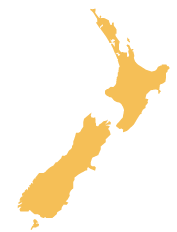
| Location | Taranaki, New Zealand |
| Initiative | Taranaki 2050 Roadmap and 2025/26 Action Plan |
| Program snapshot | In 2019, Venture Taranaki, a local development agency, convened a wide-ranging social dialogue to support the Taranaki region’s transition away from oil and gas. The place-based co-design process identified local assets and economic opportunities, building community consensus and mobilizing stakeholders to act. The dialogue included iwi (the Māori term for ‘clan’), local and central governments, businesses, educators, unions, workers and other community members. As a result, the community-driven Taranaki 2050 Roadmap emerged, followed by an updated 2025/26 Action Plan. Several localized skills training and workforce development initiatives took shape, particularly targeting youth and Māori communities and focusing on growth sectors, such as renewable energy, conservation, food and fibre and tourism. Guided by a community-developed monitoring and evaluation framework, these programs support workers, preserve and create employment opportunities and diversify the regional economy. The overarching goal is a sustainable future that preserves Taranaki’s quality of life. |
| Sector focus | The focus is on the energy sector, specifically transitioning from oil and gas to broader and diversified economic development by leveraging local assets in sectors such as renewable energy, conservation, tourism and food and fibre. |
| Time frame | In 2017, three district councils (local authorities), the Taranaki Regional Council and Ngā Iwi o Taranaki (a collective of eight Māori tribes) released Tapuae Roa: Make Way for Taranaki, a document comprising a high-level regional economic development strategy. In 2019, Venture Taranaki released a detailed communityco- designed planning document called Taranaki 2050 Roadmap. In 2024, these efforts were updated and consolidated into the 2025/26 Action Plan. |