







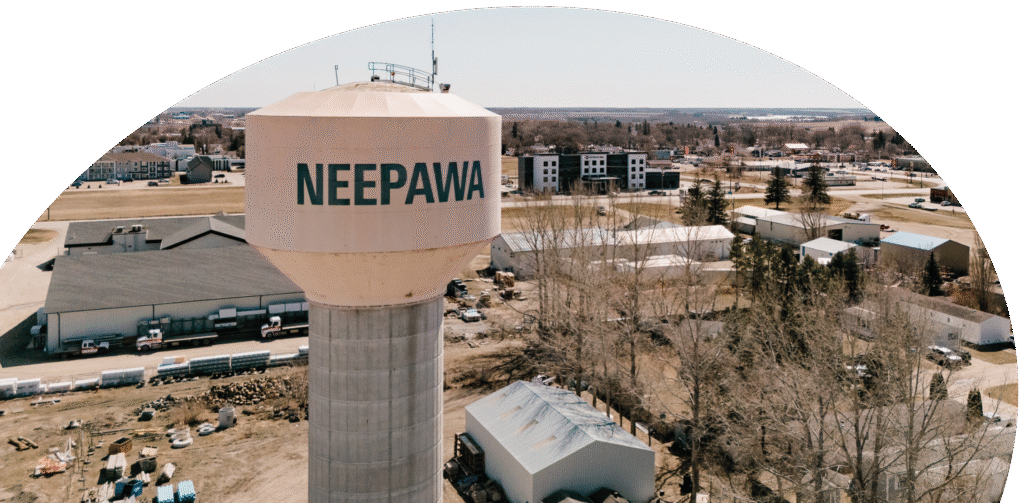
Neepawa, a rural Prairie community of just over 6,000 people west of Winnipeg, has long been shaped by its agricultural roots.
It is a place made famous by author Margaret Laurence, whose Manawaka novels drew inspiration from Neepawa and its landmarks, including the stone angel monument in the Riverside Cemetery. But today’s Neepawa is no longer the small, homogeneous town captured in those stories. Rapid growth, large-scale agri-food investment and the arrival of new residents from around the world are reshaping the community, giving it a more diverse, dynamic and vibrant character.
Named for the Cree word meaning “land of plenty,” Neepawa is one of Manitoba’s fastest-growing communities. Its population has grown by 70 per cent over the past 15 years, an increase largely driven by the arrival in 2008 of HyLife, a large pork production and processing company. A subsequent expansion of the plant has fuelled demand for workers and led to an influx of new residents, many of whom are Filipino immigrants. Many are admitted through the federal temporary foreign worker program, which supplies the labour force that supports HyLife and the wider agri-food economy.
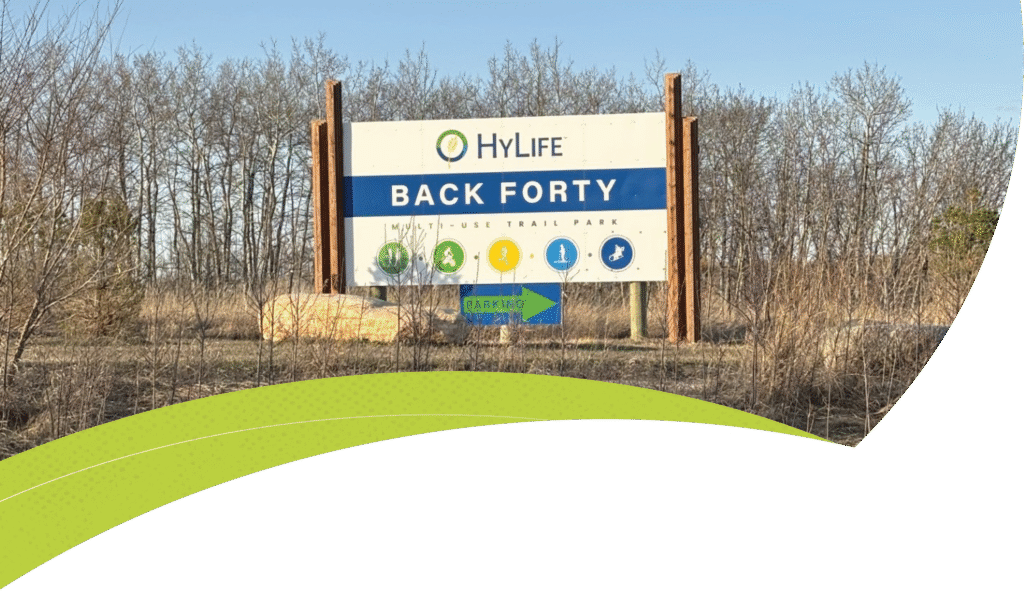
The growing Filipino community now accounts for almost half of Neepawa’s population. Many are young families, looking to set down roots and start new lives here. The surge in population has added vibrancy to the town. A new hospital is nearing completion, and a new RCMP detachment and fire hall recently opened. There’s also a new hotel and bike park, an innovative wastewater treatment facility, several Filipino restaurants and a proposed new vocational high school.
As the town grows and diversifies, it is faced with new opportunities and challenges. Many challenges are familiar to communities across Canada — strained schools and health care and high housing costs. More recently, new challenges have emerged. Neepawa’s agri-food economy, which is deeply exposed to global market pressures, has been affected by Chinese tariffs on Canadian pork and canola exports. While governments have signalled progress on easing some trade irritants, pork tariffs remain in place, raising concerns about future processing volumes in a town where HyLife anchors employment, immigration and economic growth. The ongoing trade dispute between Canada and the United States and changing immigration policies have also added uncertainty to the sector.
Despite these challenges, Neepawa’s can-do attitude will help it to manage growth, adapt to change, and safeguard community well-being.
The consistent message from our interviews with Neepawa’s community members is clear: While they are optimistic and ready to move forward, they need local control, stronger support from other levels of government and resources that reflect the town’s unique circumstances. Neepawa is a community that identifies its needs and takes proactive steps to address them, and when action is needed, residents are prepared to make it happen.

HyLife started as a family-run hog farm in 1980, and is now the largest hog producer and processor in Canada and ranks among the top 15 in North America, according to the company. It produces 3.6 million hogs a year and processes 3.8 million hogs in plants across Manitoba. It also operates its own feed mills, transportation network, and marketing and distribution services. And it runs several restaurants in Canada and Japan.
HyLife arrived in Neepawa in 2008, with the purchase of Springhill Farms. It undertook a $176-million expansion of the Neepawa facility, completed in 2018, which increased the plant’s processing capacity, creating more jobs and driving population growth. The expansion also included new barns and a feed mill in Killarney near the Manitoba-U.S. border. Additional improvements to the Neepawa facility made in 2022 boosted daily production to almost 9,000 hogs.
About three-quarters of its production is exported to more than 20 countries, including Japan and China. It is the largest exporter of fresh, chilled pork to Asian markets, according to HyLife.
A new 50,000-square-foot head office in Steinbach, a three-hour drive east of Neepawa, was built with energy-efficient walls and materials and charging stations for electric vehicles. Among other sustainability initiatives, the company says it has reduced its annual consumption of water by more than 170 million litres, and it has partnered with Ducks Unlimited to improve biodiversity near its barns by planting wildflowers and native grasses.
HyLife employs about 1,700 people in Neepawa, according to the town’s website. Neepawa’s other major employers include Stella-Jones, a manufacturer of pressure-treated wood products.
The town is comparatively prosperous. The median household income was $84,000 in 2021, above the provincial average. And it has amenities, including the new hospital, that many towns its size would envy.
HyLife’s expansion and its need for workers have brought many benefits to Neepawa, including a surge in employment and population growth. Neepawa is the third fastest-growing community in Manitoba and the 13th fastest-growing in Canada, with a population of 5,685 in 2021. In 2021, almost half of the town’s residents were either immigrants or non-permanent residents, double the provincial average. Almost 90 per cent of those were born in the Philippines.
Many of the new arrivals, who come under the temporary foreign worker program, have young families, which has brought the median age of the community down to 38, another boon for the local economy.
But the influx has created challenges too. “Immigration has been the biggest change to the community, stemming from the arrival and expansion of HyLife,” said Amanda Naughton-Gale, community ministries director of The Salvation Army-Neepawa Community Ministries Centre and past national president of Kin Canada, a non-profit. On creating the supports needed for the sharp increase in new residents, she added: “We are still behind.”
Marilyn Crewe, economic development officer for the town of Neepawa, said the influx has led to “an increase in daycare demand, school demand, medical — all of it.”
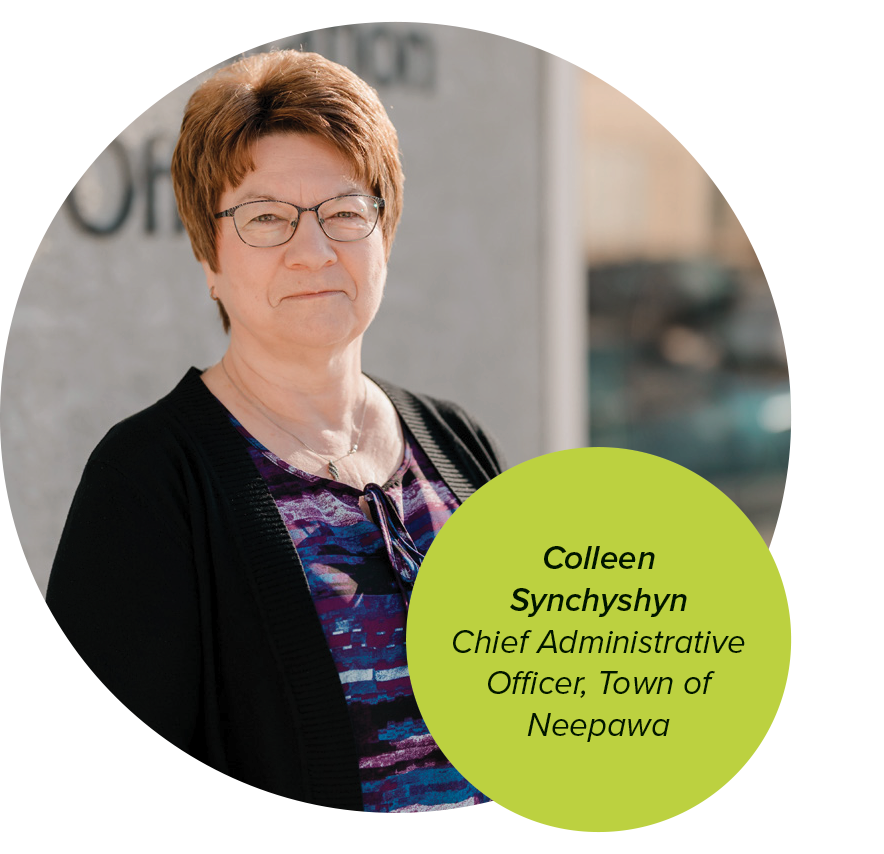
“We are over capacity in our schools by 275 students, and there are anywhere from 10 to 15 new individuals arriving in the community every two weeks,” said Colleen Synchyshyn, chief administrative officer for the town. “We have to figure out how we advocate for schools, for health and any particular service,” she said.
“We did a housing study, and we found out [that] by the year of 2028, we will be short by 460 dwelling units” added Synchyshyn.

The trends point to a need for more single-family homes, according to the report, which also highlighted the struggles municipalities face in addressing housing demand. “Municipalities in Canada generally have limited influence, authority or financial capacity to address the complex issue of housing affordability,” it states.
Yvonne Sisley, town councillor and director of the local cultural centre, ArtsForward, echoed these thoughts: “Housing and infrastructure are our biggest challenges,” she said. Strong demand, along with higher construction costs and years of high inflation and interest rates, have driven up housing prices and created an affordability challenge, according to several people we spoke to. Some parents are taking on two jobs to make ends meet. Others work alternating shifts to balance child care responsibilities.
“Some of these families have six or seven children, and they are taking on extra jobs, sharing homes with other families and using the local food bank just to get by,” said Ilce Pineda, executive director of the Neepawa and Area Immigrant Settlement Services, an agency that provides support to newcomers. Pineda argues that governments don’t understand Neepawa’s situation: “They are cutting funding for settlement services at the same time as our need is growing,” she said.

People admitted under the temporary foreign worker program are, in some cases, tied to a single employer. Leaving their position early could jeopardize their immigration status, and many lack access to affordable housing and transportation, said some interviewees.
The new hospital is expected to relieve some of the strain on the demand for medical services. Construction began in 2022, and it is expected to create 130 new jobs when it is completed. It will provide residents with access to specialized care closer to home and include 63 acute care in-patient beds, an expanded emergency department, enhanced space for surgery, diagnostics, palliative care, chemotherapy and kidney dialysis.
HyLife brings an estimated 200 international workers to Neepawa each year to staff its pork-processing operations, and many transition into permanent residents after their two-year employer-tied period. Newcomer-owned storefronts, such as restaurants, bakeries, grocery stores and service businesses, have more than doubled over the last decade, creating a commercial cluster that reflects the town’s changing identity.
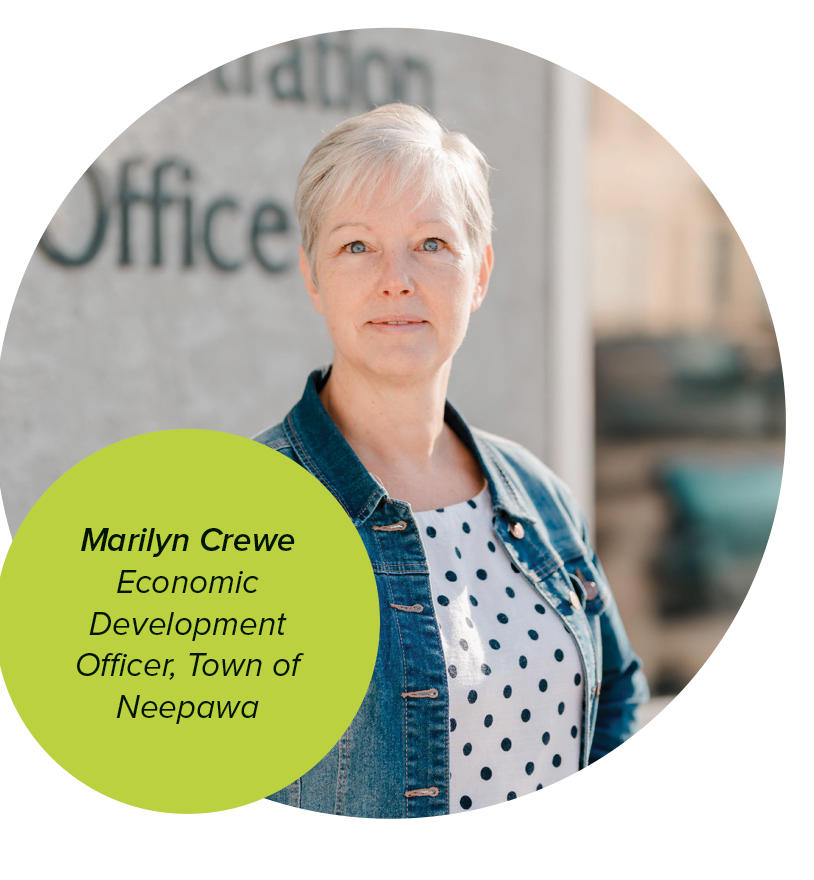
The arrival of newcomer workers has been “a gift for the community,” Crewe said in a media interview.
Neepawa’s growth has become closely tied to continued immigration. Employers say that, without reliable immigration pathways, they would struggle to fill essential positions in agriculture and food processing. At the same time, the steady arrival of newcomers is intensifying pressure on housing, schools, child care and settlement services.
These concerns have intensified following immigration policy shifts. In January 2025, Manitoba’s Provincial Nominee Program allocation fell by 50 per cent from 2024, dropping to 4,750 nominations. Rural employers described the reduction as destabilizing. However, in October, Immigration, Refugees and Citizenship Canada granted Manitoba an additional 1,489 nominations, bringing the total to 6,239 for 2025.

In an interview, Cam Dahl, general manager of the Manitoba Pork Council, described Neepawa as “a prime example of good community development,” noting that immigration has played a central role in sustaining the local workforce and economy. “People come from the Philippines to work for HyLife,” Dahl said. “They go on to start a business, and someone else takes their job.”
While Dahl acknowledged housing pressures in major urban centres, he stressed that a “one-size-fits-all” immigration approach aimed at taking pressure off of Canada’s largest cities could worsen labour shortages in places like rural Manitoba.
Dahl also argued that preventing and controlling disease outbreaks in the livestock sector depends on adequate staffing, citing experiences with managing diseases such as porcine epidemic diarrhea, which have previously caused significant economic losses. Labour shortfalls, he explained, make disease prevention and herd management more difficult and increase operational strain.
Processing-sector organizations have echoed these concerns. René Roy, chair of the Canadian Pork Council, noted in 2024 that caps on temporary foreign workers disproportionately affect rural processing plants, stating that “every job unfilled in our barns, in our processing facilities, and in our supply chain has an outsized impact on rural areas because Canada does not have additional people living in these areas who can fill these jobs.”
Neepawa’s experience reveals a paradox: immigration contributes to housing and service pressures, yet it is essential for the sustainability of the industries that keep the community viable. Managing this balance will remain one of Neepawa’s most pressing challenges.
Agriculture is central to Manitoba’s economy, accounting for seven per cent of the provincial GDP in 2024, and Neepawa is no exception. It is the primary driver of the town’s economy. There are more than 95 registered oilseed and grain businesses in the region, in addition to livestock and poultry farm operations. And then there’s HyLife.
U.S. tariffs on Canadian steel and other goods have dominated news headlines, but HyLife and other Canadian pork exporters face tariffs from another source. China imposed retaliatory tariffs after Canada imposed 100 per cent tariffs on Chinese electric vehicles in 2024. China subsequently applied tariffs of 25 per cent on Canadian pork, fish and seafood, and 100 per cent on canola oil, canola meal and peas in 2025.
In 2024, Canada exported $920.9 million in canola meal and $21 million in canola oil to China. Pork exports totalled $468.6 million. For a community like Neepawa, where canola fields dominate the landscape and HyLife Foods stands as the town’s largest employer by far, these figures reflect direct local stakes.

However, under the preliminary agreement-in-principle announced by the Prime Minister in mid-January 2026, Canada expects that China will lower tariffs on Canadian canola seed to about 15 per cent by March 1, 2026, and that canola meal, peas, and certain seafood products will not be subject to the relevant anti-discrimination tariffs from March 1, 2026, to the end of 2026. The agreement-in-principle does not yet remove the 25 per cent tariff on Canadian pork, which — at the time of writing — remained in place while discussions continue.
Chris White, CEO of the Canadian Meat Council, warned in April 2025 that “China’s tariffs will have a significant impact on both employment and production, potentially leading to widespread layoffs or even closures of operations. This situation is devastating — not only for meat processors, but also for the thousands of people employed and the communities that depend on them.”
The Canadian Pork Council’s René Roy, echoed the same concerns, noting that producers are “caught in tariff challenges not of our own making,” and that recent measures only partly recognize that pork producers “have been impacted by decisions unrelated to the quality of our products.”
Cam Dahl said it will not be easy to redirect shipments elsewhere. “You can’t just take a container destined to China and ship it to Mexico. It doesn’t work that way,” he told the Winnipeg Free Press.
For Neepawa’s producers, the risks differ by commodity. Canola exporters may see improved access to the Chinese market if the agreement is implemented as expected, but in the meantime, they remain exposed to trade uncertainty and price volatility. Pork exporters, by contrast, continue to face a 25 per cent tariff, which industry groups warn can reduce margins and export volumes over time. Labour shortages, already a concern in the pork industry, may worsen in the long run if operations are scaled back as a result of the tariffs. Producers warn that lost workers could be difficult to replace.
In an interview, Dahl stressed that this uncertainty is part of a wider shift toward trade protectionism that creates ongoing exposure for export-dependent sectors. “The world is becoming more protectionist, and that’s a problem,” he said. “There’s a reason we have an integrated North American market.” Canada exports millions of live pigs to the United States each year, reflecting the pork sector’s deep reliance on cross-border trade and the limited ability to redirect live-animal shipments to other markets.
The Manitoba Pork Council has repeatedly called for a national, co-ordinated trade strategy to respond to the tariffs. In a 2025 statement, it noted that many farmers believe agriculture remains an “afterthought” in federal priority-setting, despite employing 2.3 million Canadians. With protectionism rising worldwide, the Manitoba Pork Council has called on the federal government to create in conjunction with exporters a task group with a mandate to develop a strategic plan to respond to the tariffs. “The overarching goal of the task group should be to set out a clear plan that will preserve the integrated North American market for agriculture and food products, and to eliminate tariff and non-tariff barriers across the world,” the council said in a statement.
It said the group should address three questions: How should Canada mitigate the impact of the tariffs on agriculture and food exports? What is the strategic plan to eliminate tariff and non-tariff barriers on these products? And what is the strategic plan to diversify markets?
Chris Davison, president and CEO of the Canola Council of Canada, warned that tariffs “will have a devastating impact on canola farmers and the broader value chain.”

Governments at both levels have responded. In a news release, the federal government noted that the agricultural sector is facing multiple challenges, including tariffs imposed by China, trade uncertainty with the United States and animal diseases like African Swine Fever. The federal government emphasized these pressures in the 2025 budget, noting that producers are operating in “adverse market conditions” and require stronger risk-management tools.
To help farmers manage these pressures, the federal government proposed enhancing AgriStability, a federal risk management program for the agriculture sector, by boosting its compensation levels and expanding the payment cap for the 2025 program year.
The federal government has also reopened funding available through the AgriMarketing, AgriCompetitiveness and AgriDiversity programs under the Sustainable Canadian Agricultural Partnership to help expand export markets. In addition, Farm Credit Canada is providing $1 billion in new lending through the Trade Disruption Customer Support program to help alleviate financial challenges.
The federal 2025 budget announced further measures to support Manitoba’s agricultural sector. These included:
At the provincial level, Premier Wab Kinew announced in spring 2025 over $150 million in targeted supports, including $10 million to match federal AgriStability funding and $140.8 million for programs like AgriInsurance, AgriInvest and Wildlife Damage Compensation. The province’s 2025 budget also included a $100-million contingency for future trade disruptions, bringing total provincial support to more than $250 million.
Tariff pressures could have impacts on other businesses in and around Neepawa as well. The Neepawa District Chamber of Commerce surveyed its members in March 2025 and found that many were considering expanding to new markets, diversifying product offerings and sourcing more supplies from Canadian sources.
Neepawa’s agricultural producers are also facing another pressure: the accelerating transition to lower-emission agriculture.
Agriculture is Manitoba’s highest-emitting sector, accounting for 33 per cent of the province’s emissions. In Neepawa, the pork value chain illustrates how emissions are distributed across operations. Hog production and processing generate greenhouse gas emissions from barn heating, manure management, on-site fuel use and the daily operation of transport fleets; from the electricity demands of refrigeration, feed mills and processing lines; and from feed production, fertilizer manufacturing, crop drying, trucking of live animals and the distribution of finished products.

Because HyLife runs one of Western Canada’s most vertically integrated pork production systems, its emissions emanate from a region-wide network of barns, growers and transporters. Neepawa’s concentration of employment at the HyLife plant means that policy, tariff or market changes that affect the pork sector could affect Neepawa more intensely than other regions.
Local leaders consistently noted that rural communities bear economic transition costs without being fully included in the policy designs that drive them. Ensuring that Neepawa is explicitly part of Manitoba’s net-zero transition strategy is essential, not only for emissions management, but for safeguarding jobs, stabilizing upstream barns and supporting the long-term viability of one of the province’s most important rural economies.
While there was significant opposition to the carbon tax, the policy landscape shifted on April 1, 2025, when the federal government eliminated the consumer carbon price. The Canadian Federation of Agriculture (CFA) welcomed the tax removal, calling it “a relief for farmers,” but cautioned that producers still need supports to adopt cleaner technologies and withstand rising costs.
Manitoba’s agriculture mitigation strategies include supporting Beneficial Management Practices (BMPs) to minimize or remove environmental risks through programs like the federal-provincial-territorial Sustainable Canadian Agricultural Partnership. These initiatives focus on reducing greenhouse-gas emissions, increasing soil carbon sequestration, conserving water and addressing climate change impacts through on-farm projects and watershed initiatives. Farmers and land managers can apply to receive a portion of the $221 million in funding support that the Manitoba government has pledged for strategic agricultural initiatives, such as implementing BMPs.
Residents in the Neepawa area feel that the government is not doing enough to support farmers and to mitigate the challenges they are facing, not only in reducing emissions, but also in responding to other fundamental changes in the agriculture sector.
One challenge is the intense pressure to expand, as mounting costs make small-scale farming increasingly difficult.
“With the increasing price of equipment, fuel, inputs, carbon tax and [fluctuations] in commodity pricing, you can’t survive if you stay little — you have to diversify and get bigger,” said Mike Webb, former branch sales manager of Rocky Mountain Equipment, a farm-equipment supplier.
“Farming has gone from everyone having a quarter [section of land], and treating it as a ma and pa shop, to an actual business where every nut and bolt is accounted for,” he said. According to the 2021 Census of Agriculture, 64 per cent of farms in the census division where Neepawa is located are large farms with over 400 acres.
Scrambling to keep up with the shift to a big-business model, farmers risk burnout as they tackle the challenges of balancing finances for large-scale equipment and adequate manpower. There’s a personal cost to this shift as well, Webb noted: “You lose the romance of farming.”
While the shift toward large-scale farming in Neepawa brings both opportunity and strain, stronger support is needed to ensure long-term viability as producers navigate rising costs, climate impacts and the transition to a low-carbon economy.
Located at the intersection of Highway 16 and Highway 5, and along the Canadian Pacific-Kansas City (CPKC) rail line, Neepawa is ideally positioned near Manitoba’s largest cities, Brandon and Winnipeg. Residents describe the area as a key hub for a large agricultural region, attracting trade from a wide surrounding area.
For major industry and agriculture, trucking and rail are central to operations. For area residents, cars are the dominant mode of transportation, with few alternatives.
“Public transit is non-existent in Neepawa,” Naughton-Gale said. “There are no bus lines from Brandon or Winnipeg” and no way to travel “other than by car, which is expensive.”
This makes it a challenge for workers without cars to get to the HyLife plant, located on the outskirts of town, and to other jobs, including those at the area’s surrounding farms.
Many families have multiple vehicles, added Naughton-Gale. “It is amazing how many people in a family all have a car.”
Those who cannot afford a car end up carpooling or missing out on work or training. “Transportation is a big challenge for newcomers,” said Flordeliz Bokingkito, employment services manager at the Westlake Employment Skills and Services Centre. “There is demand for workers on farms, but newcomers can’t get there.”

The town’s municipal administration said education is necessary to encourage residents to explore alternative transportation options, like active transport or ride-sharing. While participants were open and optimistic about alternative, low-emission options, they said they have not seen options that are reliable for long-distance travel and that perform well in minus-40-degree weather.
“From an electric vehicle side, when your communities are farther apart, like they are in most of Canada but especially in the Prairies, it makes it more difficult to switch to EVs,” said Neepawa economic development officer Marilyn Crewe. “There are two different businesses with chargers in our community, but distance is an issue.”
Hesitancy about electric vehicles was common among interview participants, based on personal or shared experiences of other residents.
Neepawa’s Handi Transit Program is available to take people with mobility challenges to medical appointments but demand often exceeds supply, interviewees said. There is also a reticence among some community members to use the service after a small bus carrying seniors collided with a semi-trailer truck near Carberry in 2023, killing 17 passengers and injuring 8 others.

Although Neepawa’s rapid growth has brought many challenges, there have been benefits too. Many interview participants said the town’s multiculturalism is a major strength of the community.
“Our community has evolved to a point where we are close to 50 per cent Filipino, based on foreign workers immigrating to Neepawa to work for HyLife. Culturally, we are very diverse,” said Colleen Synchyshyn, the chief administrative officer. “We have had to adapt quite a bit around here.”
“Historically, we were a town of 3,500 people, but we have seen dramatic growth since 2011. This is great for a rural community,” added Crewe. “It is not just the workers who come to HyLife, but the spouses and their families. This has given us a labour force that other rural communities do not have, so we have really good opportunities across all sectors for Neepawa to have skilled employment,” she said.
“People and businesses are willing to celebrate change in Neepawa,” added Jennifer Wiebe, former administrator of the Neepawa and District Chamber of Commerce. “This is a very innovative and pioneering province.”
Newcomers have also helped reshape the town by bringing in a younger demographic, boosting commercial growth across all sectors. In response, the town administration has developed forward-thinking and innovative plans.
“Part of our success in Neepawa is that we don’t wait for people to step up and provide us with solutions to our growth. Otherwise, we will be decades behind. We just choose to move forward,” said Synchyshyn. “We do a lot of our work in-house now, and we try to roll all of the costs and revenues back into the town budget rather than raising taxes or taking out loans. It was a choice we made to avoid burdening the local taxpayer.”
Despite the limitations of a rural Manitoba community with a still comparatively small population, the town has succeeded in building the fire hall and RCMP office and updating other infrastructure. Neepawa has also attracted provincial investments, including the new hospital and a new middle school wing at the existing high school. Neepawa’s fast growth has also brought positive effects that have spilled over into the nearby communities of Minnedosa, Gladstone and McCreary, participants said.
Embedded in some of these projects are innovative strategies for lowering emissions. For instance, the latest update to the wastewater treatment facility proposed a continuous-discharge mechanical system to cut greenhouse gases and energy consumption.
Synchyshyn explained that the design was not a standard process that was approved by the Manitoba Department of Environment and Climate Change. “It took a lot of lobbying and meetings, as well as a pilot project for six months to prove to the department that this design to treat wastewater meets the standards in Manitoba,” she said. Phase 1 of the project was completed in 2020-21, and phase 2 was to be completed by end of 2024, according to a 2023 Neepawa Water and Wastewater Board Order.
The Federation for Canadian Municipalities approved a $4.3-million loan for the project, highlighting its potential to drive innovation. However, COVID-19 delays extended the timeline, enabling the town to absorb the costs into its budget without needing the loan.

The administration has also worked to create an expansive tree canopy, a feature of the town that often wins praise from visitors. Each year, Neepawa plants thousands of trees and actively manages its existing ones, while educating the community on their environmental value in the Prairies.
The HyLife plant is another contributor to the town’s community strengths. It has played a key role in the town’s population growth. And its importance as a large international exporter of pork products has helped secure provincial and federal infrastructure grants to support HyLife operations, as well as amenities for the town.
With a broader regional population of over 15,000 individuals, the area has also grown into a major trade hub and access point to nearby parks and lakes, such as Riding Mountain National Park.
Brian Hedley, mayor of Neepawa and general manager of the Neepawa-Gladstone Co-op, has been at the forefront of advocating for local retraining initiatives and for expanding rural training, including the renovation of a building into Neepawa’s Training Centre. Assiniboine College’s Practical Nursing was the first tenant in the Training Centre.
Hedley said at a news conference when the centre first opened in 2024 that the goal is to expand the programs the centre offers to alleviate labour shortages in other sectors and industries.

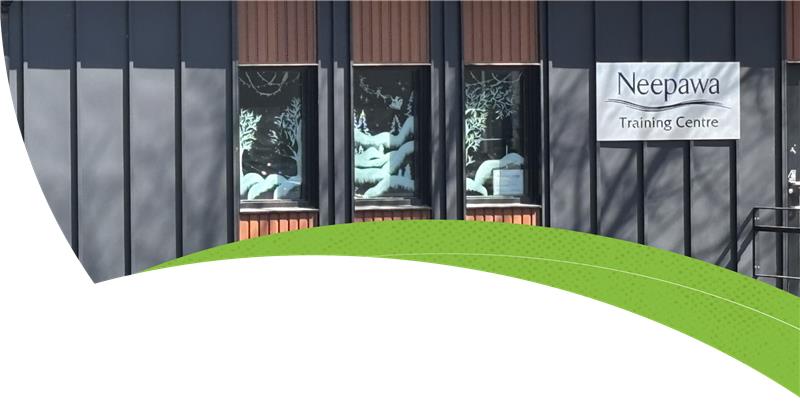
In an interview, he stressed the importance of bringing education directly to rural areas rather than requiring residents to relocate. Local investment in job readiness and skills development, he noted, is key to helping both businesses and workers thrive in a changing economy. “We want to continue to pursue further rural training opportunities here, especially for new immigrants who are limited [in their ability] to travel,” he said.
Assiniboine College’s Practical Nursing program is being offered again in 2027. At an information session held in June 2025, participants were concerned about language proficiency requirements, educational prerequisites, and financial supports. Overcoming these challenges by working with post-secondary partners will help the Centre improve recruitment and retention in health care, since local training increases the likelihood that nurses will remain in the community.
Neepawa aims to lower emissions from commuter traffic by leveraging its network of interconnected trails and green spaces to promote active transportation.
According to the 2021 census, 90 per cent of Neepawa residents commute by car. A 2019 survey for the Regional Recreation Master Plan found that 92 per cent of respondents wanted improved recreation spaces, with walking as the preferred activity. In response, the town developed a 10-year active transportation (AT) plan, released in January 2024.
The town aims to enhance walkability and bikeability to key destinations, aligning with Canada’s National Active Transportation Strategy, a federal initiative to promote the creation and use of pathways, trails and cycling infrastructure.
The vision statement for the AT plan is for Neepawa to become “a regional leader in active transportation … where visitors prize Neepawa’s world-class cycling and walking facilities along the river valley and throughout the community.”
One key part of the town’s AT plan is to connect Neepawa’s core to HyLife to reduce the daily 1,000-plus vehicle trips to the plant, Naughton-Gale said.
Town councillor Yvonne Sisley added that “for all new developments in the town, like the housing development, new hospital and roads, the town will be incorporating active transport into the designs.”
Raising awareness of active transportation and its benefits was identified as key to the success of the plan. In Neepawa, it is especially important to engage with members of the community to understand the needs of the different cultures in the town when it comes to active transportation, noted staff members of the municipal administration.
The adoption of electric vehicles has been slower in western Canada than in some other regions because cold temperatures and long travel distances present unique challenges. In interviews, residents said they don’t view EVs as a promising solution. Instead, they see renewable fuels as a realistic answer, offering the potential to lower emissions and to help with workforce transition.
“The more we can move over to renewable fuels, like renewable diesel and ethanol, that helps to change things,” said Hedley.
Federated Co-operatives Ltd., operating across western Canada as Co-op, runs the Co-op Refinery Complex in Saskatoon, one of Canada’s largest petroleum refineries. Renewable fuels are a key focus of the co-operative’s energy road map, a plan to invest $4 billion in new green-energy projects including a proposed biodiesel fuel plant in Regina and a carbon capture facility at an ethanol and petroleum refinery in Belle Plaine, Sask. A timeline for the availability of these fuels at the 160 independent co-ops across western Canada, including in Neepawa and Gladstone, has yet to be announced, but the initiative could be a boon for oilseed growers in western Canada.
Manitoba’s overall energy use is tightly regulated by the province through Manitoba Hydro, a Crown corporation responsible for electricity and natural gas distribution.
Interview participants said they consider Manitoba a low-carbon province, with 98 per cent of its electricity generated from renewable sources, primarily hydroelectricity. They noted that there should be a bigger push for green technology, including solar, wind and geothermal.
However, despite substantial renewable energy generation, fossil fuels dominate Manitoba’s energy use: refined petroleum products account for 41 per cent of the province’s energy consumption, and natural gas accounts for 29 per cent.
“Let’s face it, we are a fossil fuel community in western Canada and have been forever, so [the low-carbon transition] means a chance to decrease our footprint. That will mean changes to products and to training that people are going to need,” said Hedley.
The mayor sees untapped potential for workers in renewable fuels, hydrogen and battery power, emphasizing the importance of local skills training to help workers, especially those in low-skilled jobs, transition to new opportunities.

Growth is a key focus as the town develops land and updates aging infrastructure. These developments create opportunities for green building practices and enhanced energy efficiency, though affordability remains a key concern.
“We have had to make substantial changes to our building policies in the community to try and look at modular/tiny homes,” explained Hedley. “We are finding with our immigrant population that people can’t come into town and purchase a $350,000 to $400,000 home. We have to try and get somewhere that is closer to a $200,000 home. By regular standards, that does not provide a very nice home, so that is what we are working on. It comes back to trying to make those builds as energy efficient as possible.”
Hedley added that updated planning documents present an opportunity for communities facing affordable housing challenges to incorporate energy-saving technologies that can reduce operating costs and improve living conditions. Grants from upper-level governments for supporting green builders could further facilitate these upgrades, helping communities build sustainably.
Naughton-Gale, of The Salvation Army, said that better incentives or tax rebates for energy efficiency upgrades from provincial or federal governments would help, particularly for those with limited financial capacity.
“There are a lot of folks with older homes that need upgrades to make them more energy efficient, but you still have to have money in order to do that. We find a lot of folks are forced to either ignore it or do the best they can.”
Additionally, Naughton-Gale noted that many in the community are renters and questioned how such programs could compensate them for energy efficiency upgrades to improve their living conditions.
Neepawa’s surge in population has been both a blessing and a challenge. Interviewees said the community has largely been accepting and welcoming of new arrivals. They recognize that HyLife needs workers and that Neepawa needs HyLife. Members of the Filipino community are seen as great neighbours and hard workers. When a nearby dam broke in 2020 and many homes flooded, they pitched in to help sandbag homes.

When newcomers arrive, they receive support from settlement services; there is a program to provide them with used winter coats. Martha Credo-Timbal, client services representative at the Westlake Employment Skills and Services Centre, said that “local schools give a warm welcome to new students, assigning an existing student to support them.”
Local businesses that once struggled to find staff welcome the availability of workers. And several Filipinos have opened their own businesses, including restaurants and bakeries to cater to the growing Filipino population.
For a comparatively small community, Neepawa offers many amenities, a factor that several people we spoke to attributed to the town’s can-do attitude. “Every time there are sour grapes, we make something of them,” said Synchyshyn. Some attributed it to the hard work of the town staff, council and mayor.
“Neepawa is intentional and progressive,” said Bill Hogan, executive director of Community Futures Westman. “Many communities do not understand what economic development is. They focus on gravel roads and potholes,” he said.


Wayne Kelly, Director of Brandon University’s Rural Development Institute, said that Neepawa is a model of success, though the community continues to face common challenges in its economic diversification. These challenges include a lack of access to the resources and skills needed to navigate business and economic programs, policies and projects that often lack community and rural considerations. Rural economic development goes hand in hand with creating healthy communities: “What comes first? Community building or business building? We need both in rural,” Kelly argued.
To encourage additional economic development, staff at Community Futures Westman, a federally funded, community-based organization that provides financing and business development support to entrepreneurs and communities across southwestern Manitoba, said they could accomplish more if they were able to provide grants, as well as loans, and if they had more permanent sources of funding. “One of the first things we get asked by small businesses is whether we have grants,” Hogan said.
The staff suggested a possible return of the Rural Secretariat, a federal program abolished in 2013 that co-ordinated rural programs, supported research on issues affecting rural Canada and advocated for rural issues.
“What makes Community Futures Organizations so valuable is that we are in the community, and we understand their challenges and opportunities,” noted Wendy Petersen, community development analyst at Community Futures Westman.
Participants overwhelmingly expressed confidence in the town’s ability to adapt. Change is ingrained in Neepawa’s identity. Many said they were less concerned about the principle of new government policies than about how they are designed and applied. In particular, they pointed to immigration decisions, climate and emissions policies, and housing programs, arguing that one-size-fits-all approaches often overlook rural constraints and capacity.
“Policies need to stop being blanketed across the country because it is so polar opposite from city to country,” said Yvonne Sisley.
“There needs to be bigger input from communities,” added Naughton-Gale. “Broad strokes don’t work — every area within a province is completely different.”
People in rural communities often feel that decisions made by policymakers in urban centres do not consider the distinct challenges they face. Infrastructure is one such area. According to the Association of Manitoba Municipalities, a third of the province’s core municipal infrastructure was in fair to poor condition, noting that municipalities oversee “60 per cent of Manitoba’s infrastructure despite collecting less than 10 cents of every tax dollar.” This disconnect contributes to the wariness that communities like Neepawa feel toward proposed solutions, especially those that appear impractical or unrealistic in a local context.
Rodney White, manager of the Whitemud Watershed Conservation District, which includes the Neepawa area, stressed the importance of public consultation and a solutions-focused approach. “You won’t keep everyone happy, so you need to make sure people are aware,” he said. “Talk to experts on the ground who have solutions.”
He emphasized anticipating the impact of new policies and addressing any issues upfront. “The key is ensuring new information doesn’t come out of nowhere,” White added. “Whether that means holding town hall meetings, information sessions or having information clearly communicated in the local paper, transparency and engagement are crucial.”
Whether it is to reduce emissions or diversify trade, government actions need to demonstrate clear, measurable benefits to businesses, especially in terms of return on investment.
As Mike Webb noted, agriculture producers in this region are driven by a need to operate as big businesses, making them particularly sensitive to the bottom line. For them, the decision to adopt new technologies or methods hinges on the clear economic advantages these innovations provide. If an initiative does not improve productivity or cut costs in a way that justifies the investment, it will not gain traction.
Pilot projects were seen as a vital tool that offer residents a low-risk opportunity to see how low-carbon initiatives can be integrated into their operations.
Naughton-Gale emphasized the importance of demonstrating tangible results. “People need to be shown that a [policy or program] will make a difference. Show us how something can have a net impact at the end of the year, and then we will consider it,” she said.
In today’s political climate, the focus should be on collaboration to effectively address the pressing challenges communities face, interviewees said. Political infighting, particularly among provincial and federal governments, was cited by participants as unnecessary noise added to the already complicated challenges rural communities are facing to advance new initiatives.
As Webb pointed out, there is a tendency for political and community groups to focus too narrowly on individual interests, which can hinder the collective good. “It’s not about you or your group, it’s about the community,” Webb said, stressing the importance of viewing challenges through a broader lens.
Naughton-Gale echoed this sentiment, noting the damaging effects of constant political fighting. “Politicians need to park the ego,” she said, stressing the need for collaboration over partisanship. “Debate is great. Asking tough questions to ensure we have the best way forward is essential. But it shouldn’t be a barrier to progress.”
The impact of climate change is increasingly being felt across the Prairies, especially by the agricultural producers who make up a significant portion of Neepawa’s workforce.
Brian Hedley, the mayor, who grew up on a farm in nearby Hamiota, has seen this shift first hand: “From when I was a kid, the climate has changed here.” Once rare phenomena, tornadoes and severe storms are becoming more common — with the potential to cause crop loss.
Hedley was quick to point out that climate is unpredictable, and there is no simple way to control it. Emission controls have a role to play, but they aren’t the full answer. What’s needed is a blend of mitigation efforts, local knowledge and innovative technologies to help producers adapt, he said.
The solutions won’t come from the top down — they need to come from the people who know the land best. “The farmers, the landowners — they’re the ones who really understand what will work and what won’t,” Hedley said. Engaging with those who live and work on the land is essential if any real progress is to be made.
Webb, formerly of Rocky Mountain Equipment, said collaboration is key. He outlined an approach for partnerships between governments, the private sector and specialty motor designers to create specialized machinery, like hydrogen-powered motors, that reduce emissions and operational costs. Making these technologies affordable and accessible to farmers, many of whom are already stretched thin, is still a major hurdle, he noted.

For these technologies to take off, they need to be tested in real-world conditions, alongside producers who will use them. The farmers and ranchers who will put these machines to use can give feedback on prototypes. Only then can these devices be refined and scaled to meet the needs of local producers. Webb sees this approach as a practical solution for transition in the agriculture sector.
Water management is another pressing issue, as unpredictable rainfall patterns become the norm. “We have been fortunate that we have lots of willing producers in our area who participate in water retention projects,” said White, who works with local producers on water-management projects.
However, the lack of financial incentives for producers involved in these projects can create barriers to participation. Manitoba programs like the Growing Outcomes in Watersheds and the Prairie Watersheds Climate Program offer support but require more outreach to ensure broader producer participation and accessibility.
A recurring theme in our conversations with community members was the critical need for better funding, particularly for essential infrastructure projects, such as roads and active transportation networks.
Municipalities, especially those in growing communities like Neepawa, are facing significant challenges in creating and managing the infrastructure needed for a low-carbon transition. While provincial and federal governments are often seen as key partners in this transition, participants expressed frustration that the support offered is insufficient.
Neepawa is working to grow its tax base by attracting more businesses, but the costs associated with expanding and maintaining infrastructure are overwhelming.
In early 2025, Neepawa town council confirmed that it applied to the federal Canada Housing Infrastructure Fund to support the costs of a proposed residential subdivision, underscoring the growing infrastructure pressures facing the municipality. The $51-billion Build Communities Strong Fund announced in the November 2025 federal budget could also provide opportunities for Neepawa to secure funding.
Councillor Yvonne Sisley pointed out that, while grants exist for various initiatives, securing funding for vital projects like road repairs is an ongoing struggle. The issue of deteriorating roads, she noted, is a widespread concern across Manitoba.
Stronger infrastructure support for Neepawa and other rural municipalities would not only make it easier to attract developers but also pave the way for implementing low-carbon strategies. Sisley cited the success of Neepawa’s energy-efficient wastewater treatment project as proof that, with proper funding, municipalities can be leaders in the economy.

The town also expressed the need for more accessible and equitable funding for projects like its active transportation plan. There was frustration over provincial and federal grant programs that don’t have at least a 50 per cent funding match.
Both Sisley and Crewe emphasized that while their community is forward-thinking and open to new ideas, funding is a critical concern.
Denis Saquet, manager of operations for the town of Neepawa, called for a more balanced grant-funding model — one that covers both the utility sector and the general sector. He explained that many federal and provincial grants are earmarked for just one of these sectors, but infrastructure projects often require funding from both. If a town lacks sufficient funds to cover those costs, it can’t build quality infrastructure. Simplifying the application process and eliminating restrictive requirements was also seen as critical to ensuring that municipalities can focus their time on meaningful work rather than navigating bureaucratic red tape.
The key message that came across in our conversations is that provincial and federal economic transformation initiatives must consider local realities. While the community is ready for change, it is also wary of top-down approaches that overlook rural challenges.
Infrastructure and housing needs stand at the forefront of the community’s challenges. While there is a strong local commitment to integrate low-carbon strategies into development, residents emphasized that success depends on sufficient funding, accessible training programs and effective community engagement.
For agricultural producers, collaboration with government and private-sector firms, such as farm equipment-makers, is critical to adapting to changing trade and market conditions. This collaboration is also key to addressing the financial pressures producers are facing due to the impact of climate change and the challenges of scaling up farms.
For the low-carbon transition to succeed, Neepawa residents insisted that the community must lead the way. This means ensuring that local stakeholders have a say in planning and decision-making. While external support is welcome, residents believe that low-carbon projects should start with local consultation and consensus.
Here are the issues the residents and community leaders we interviewed say need to be addressed:
The Institute for Research on Public Policy (IRPP) has developed a methodology for measuring community susceptibility to workforce disruption as global efforts to address climate change expand. Using three indicators, the methodology scores and ranks census divisions across the country. Based on their ranking, each census division is assigned to one of six groups, ranging from “not susceptible” to “most susceptible.”
The three indicators include Facility Susceptibility (emissions from large facilities relative to the size of the community), Intensity Susceptibility (proportion of employment in emissions-intensive sectors), and Market Susceptibility (proportion of employment in globally traded sectors expected to undergo market transformations).
The analysis is available in an interactive map, developed in collaboration with the Community Data Program of the Canadian Community Economic Development Network, on the IRPP’s website (irpp.org/community-transformations). A detailed description of the methodology used is also available on the website, along with complementary analysis of the impact of susceptibility to U.S. tariffs.
To complement the mapping exercise, the IRPP selected 10 communities across the country to profile through a series of interviews with people who live and work in the community. Most of the communities selected are located within the most susceptible census divisions, but others were chosen because of anticipated developments or previous experiences. The profiles are meant to cover a diversity of regions of the country and types of economic activity. These snapshots are meant to provide additional insight into the challenges and opportunities the communities face and to reflect the perspectives of residents.
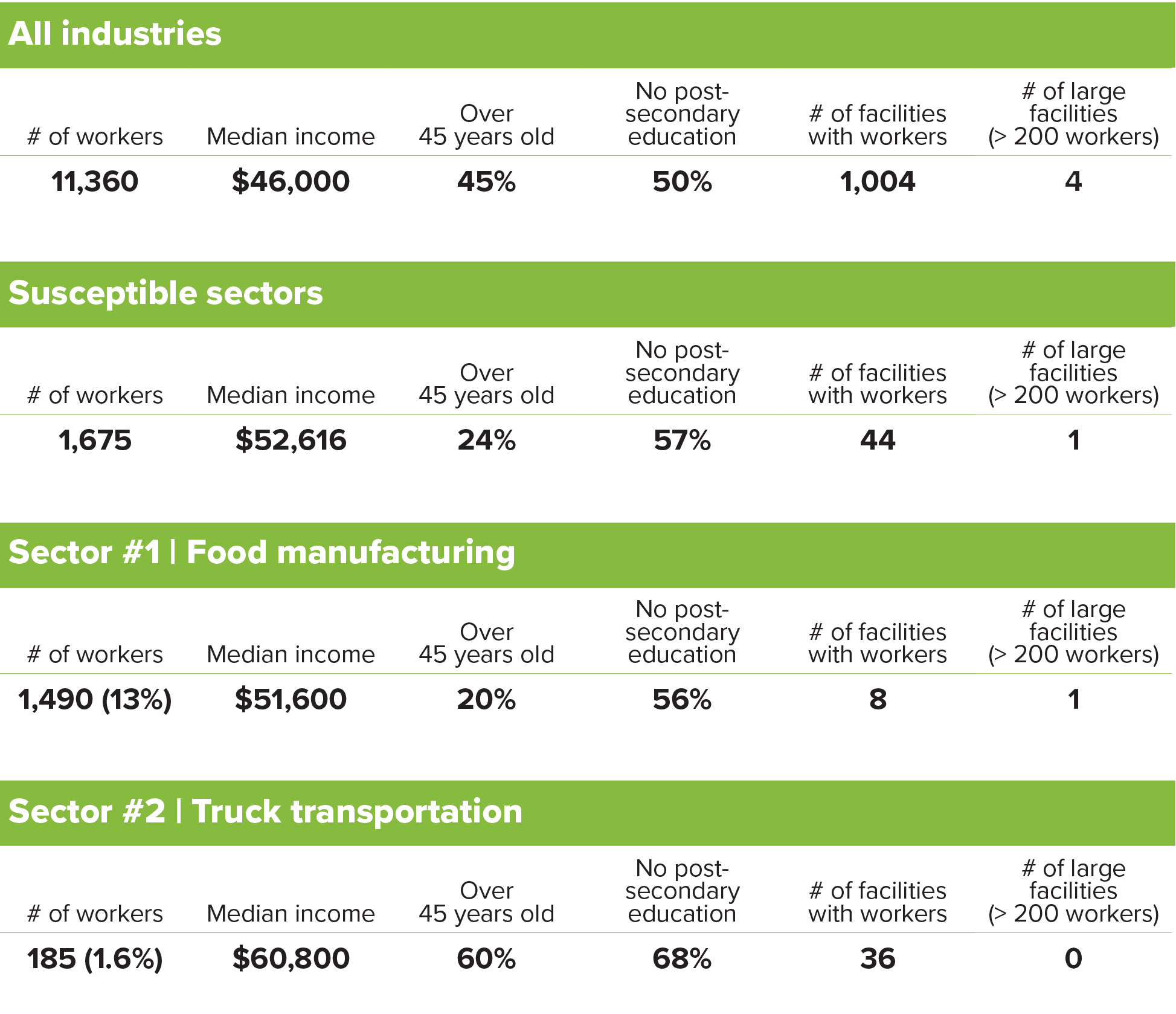
Neepawa in Manitoba is one of the communities selected. It was chosen because of the concentration of employment in food manufacturing, and particularly in the HyLife pork plant. Neepawa and surrounding communities are susceptible to policies or tariffs that impact agriculture and agri-food production.
The Energy Mix conducted interviews with community members in Neepawa. The IRPP’s vice president of research, Rachel Samson, also visited to meet with local community leaders.
Below, we present a breakdown of the susceptibility analysis for Division No. 15, the census division in which Neepawa is situated. Division No. 15 spans over 8,740 square kilometres and includes communities such as Minnedosa. Additional information not used in the analysis such as population change, the unemployment rate and demographic characteristics of workers are derived from the 2021 census. The number of facilities comes from Statistics Canada’s Business Register from June 2020.
If you have questions about the profile or the analysis, please contact us at
communitytransformations@nullirpp.org.

This Community Profile was published as part of the IRPP’s Community Transformations Project. It was authored by The Energy Mix and the IRPP. The manuscript was copy-edited by Rosanna Tamburri with assistance from Dena Abtahi. Ricardo Chejfec was responsible for the data analysis. Proofreading was by Zofia Laubitz, editorial co-ordination was by Étienne Tremblay, production was by Chantal Létourneau, publication management was by Prasanthi Vasanthakumar and art direction was by Anne Tremblay. Photos are by Filmed by Silas and Rachel Samson.
The Community Transformations Project was funded in part by The McConnell Foundation and Vancity. Research independence is one of the IRPP’s core values, and the IRPP maintains editorial control over all publications.
A French translation of this text is available under the title Neepawa : une terre d’abondance en pleine croissance au Manitoba.
To cite this document:
Institute for Research on Public Policy. (2026). Neepawa: Manitoba’s fast-growing “Land of Plenty.” Institute for Research on Public Policy. https://doi.org/10.26070/fqxy-7w89
Our sincere thanks go to the following people for their essential input, perspectives and time: